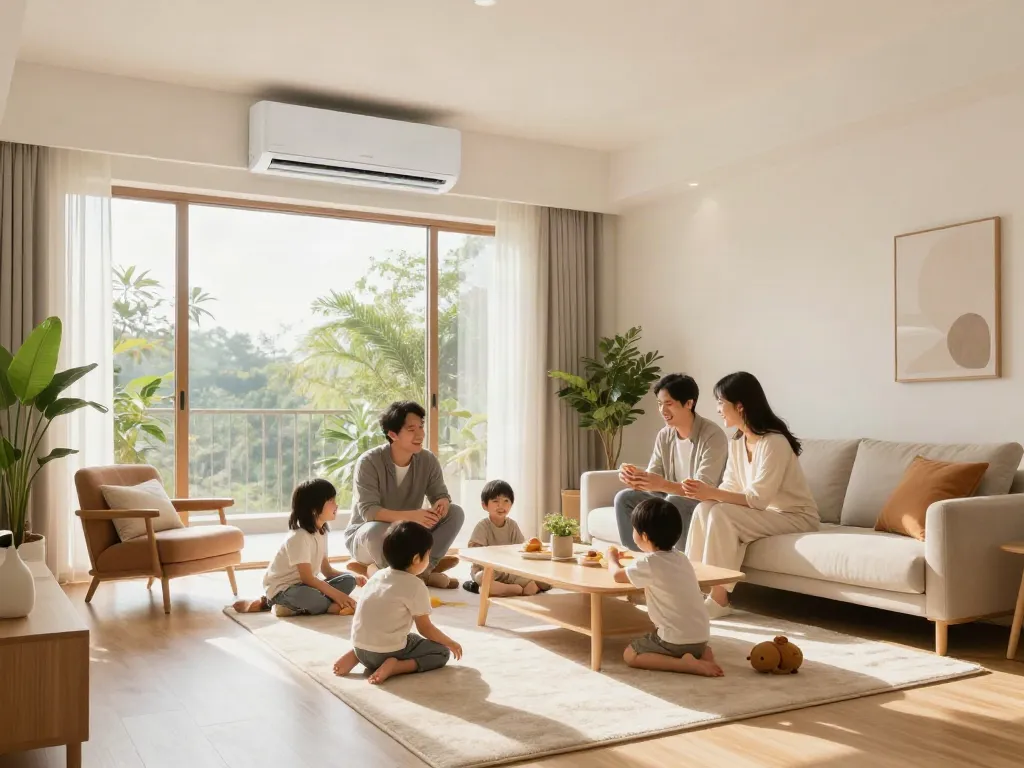
Understanding Ductless AC Systems
Ductless air conditioning systems, commonly known as ductless AC or mini-splits, are revolutionizing the way we cool and heat our homes. Unlike traditional central air conditioning systems that rely on extensive ductwork to distribute air, ductless systems operate independently, allowing greater flexibility and efficiency. Whether you are looking to cool a single room or multiple zones, the adaptability of ductless AC makes it a popular choice among homeowners and renters alike. When exploring options, ductless ac provides comprehensive insights into these modern cooling solutions, enhancing comfort in both residential and commercial spaces.
What is a Ductless AC?
A ductless AC system is a type of air conditioning setup that consists of an outdoor compressor unit and one or more indoor air handling units. This design allows for cooling (and heating, depending on the model) without the need for ductwork. Each indoor unit can be mounted on walls or ceilings and connects to the outdoor unit via refrigerant lines. Ductless AC systems are available in various types, including single-zone and multi-zone configurations, making them suitable for different space requirements.
Benefits of Ductless AC over Traditional Systems
- Energy Efficiency: Ductless systems often come with high energy efficiency ratings, leading to lower energy bills compared to traditional HVAC systems.
- Flexible Installation: The absence of ductwork allows for easier installation in various locations, including homes without pre-existing air ducts.
- Zone Control: Each indoor unit can be controlled independently, allowing homeowners to set different temperatures in different rooms, enhancing comfort and reducing energy waste.
- Reduced Noise: Ductless air conditioners typically operate more quietly than traditional systems, with the compressor located outside and the indoor units designed for minimal noise disruption.
How Ductless AC Works: Key Components
Ductless AC systems consist of several key components that work together to provide efficient cooling and heating. The main components include:
- Outdoor Unit: This unit houses the compressor and condenser. It dissipates heat from the refrigerant that absorbs the heat from the indoor air.
- Indoor Unit: These are mounted within your living spaces and blow cooled or heated air directly into the rooms.
- Refrigerant Lines: These lines connect the outdoor and indoor units, allowing the refrigerant to circulate between them.
- Thermostat or Remote Control: Each indoor unit typically comes with its own thermostat or remote, providing convenient temperature control.
Installation Insights for Ductless AC
Installing a ductless AC system may seem complex, but with the right preparation and guidance, it can be a straightforward process. The following sections will explore essential considerations for installation.
Preparing Your Home for Ductless AC Installation
Before installation, assess your home’s layout to determine the best locations for the indoor and outdoor units. Consider factors such as room sizes, insulation levels, and existing electrical systems. Consulting a professional can also help in understanding your specific needs and any local building codes that may apply.
Choosing the Right System for Your Space
Choosing the right ductless AC system involves evaluating your specific needs, such as the size of the area you wish to cool or heat, the number of zones you want to manage, and your budget. Manufacturer specifications typically provide guidance on the cooling capacity required for various room sizes, measured in BTUs (British Thermal Units).
Professional vs. DIY Installation: Pros and Cons
While some homeowners may consider DIY installation to save costs, hiring professionals is often recommended. Professional installers ensure proper setup, which optimizes system efficiency and longevity. They also handle any technical aspects and compliance with local regulations. Conversely, DIY installation can lead to errors that may compromise the system's performance and warranty coverage.
Energy Efficiency and Cost Savings
Ductless AC systems are celebrated for their energy efficiency, making them an attractive option for many homeowners looking to save on their energy bills while minimizing their environmental impact.
How Ductless AC Can Lower Energy Bills
One of the primary advantages of ductless AC systems is their potential to reduce energy consumption. Since these systems avoid the energy losses associated with ductwork, they can provide more consistent cooling and heating while consuming less energy. According to studies, duct losses can account for over 30% of energy consumption for space conditioning. Ductless systems, conversely, deliver conditioned air directly where it is needed.
Long-Term Financial Benefits of Ductless Systems
Investing in a ductless air conditioning system may lead to significant savings over time. In addition to lower energy bills, many systems qualify for energy efficiency rebates and tax incentives, further enhancing cost savings. The reduced maintenance associated with ductless systems, such as fewer moving parts and no duct cleaning, also contributes to long-term savings.
Environmental Impact: Ductless AC and Sustainability
By reducing energy consumption, ductless AC systems contribute to lower greenhouse gas emissions, making them a more sustainable choice for cooling and heating. Additionally, many modern ductless units use eco-friendly refrigerants, which further minimize their environmental footprint.
Maintenance Tips for Ductless AC Systems
Regular maintenance is crucial for extending the life of your ductless AC system and ensuring optimal performance. Here are some essential maintenance tips.
Routine Care: Ensuring Optimal Performance
- Filter Cleaning or Replacement: Indoor units typically have filters that need to be cleaned or replaced regularly to ensure efficient airflow and air quality.
- Outdoor Unit Inspection: Keep the outdoor unit free from debris, and ensure it has adequate airflow around it.
- Seasonal Maintenance: Schedule regular check-ups with a professional service to address any underlying issues and maintain warranty compliance.
Common Issues and Troubleshooting
Familiarizing yourself with common ductless AC issues can help in identifying problems early. Solutions may include adjusting the thermostat, checking filters for clogs, or inspecting connections between the indoor and outdoor units.
When to Call a Professional for Repairs
Some issues may require professional assistance, such as refrigerant leaks or electrical problems. It’s important to address these promptly to prevent further damage and ensure safety.
Future Trends in Ductless AC Technology
The ductless AC market is evolving, with new technologies enhancing efficiency, comfort, and user control. Here are some trends to watch for in the coming years.
Smart Ductless AC Systems: Integration with Home Automation
Smart home technology is becoming increasingly integrated into ductless AC systems. Homeowners can now control their systems remotely via smartphones, set schedules, and adjust temperatures using voice commands. This integration enhances convenience, allowing for greater control over home comfort and energy usage.
Emerging Features in Ductless AC Units for 2026
Innovations such as improved inverter technology, air purification capabilities, and advanced energy management systems are being introduced in ductless AC units. These features not only improve efficiency but also enhance indoor air quality and overall health benefits.
Predictions: The Future of Heating and Cooling Solutions
As environmental concerns become more pressing, the demand for energy-efficient heating and cooling solutions will continue to rise. Ductless AC systems, with their adaptability and efficiency, are likely to play a significant role in meeting these demands, leading to broader adoption across both residential and commercial markets.
What are the advantages of Ductless AC systems?
- Energy-efficient operation with potential cost savings.
- Flexible installation options for various spaces.
- Enhanced comfort with zoned temperature control.
- Reduced noise levels compared to traditional systems.
Can I install a ductless AC system myself?
While some components of ductless AC systems may be installed by homeowners with DIY skills, it is generally advisable to hire a professional to ensure proper setup and avoid warranty issues.
How much does a ductless AC system cost?
The cost of a ductless AC system varies depending on the size, efficiency, and features of the units selected, as well as installation costs. Homeowners should evaluate their specific needs and budget accordingly.
What maintenance does a ductless AC system require?
- Regular filter cleaning or replacement.
- Seasonal professional inspections for optimal performance.
- Outdoor unit maintenance to prevent debris buildup.
Are there any health benefits associated with ductless AC?
Yes, ductless AC systems can improve indoor air quality by filtering out dust, allergens, and pollutants, providing a healthier living environment. Furthermore, many systems offer built-in air purification features, further enhancing air quality.